Shivagange Sunrise Trek from Bengaluru
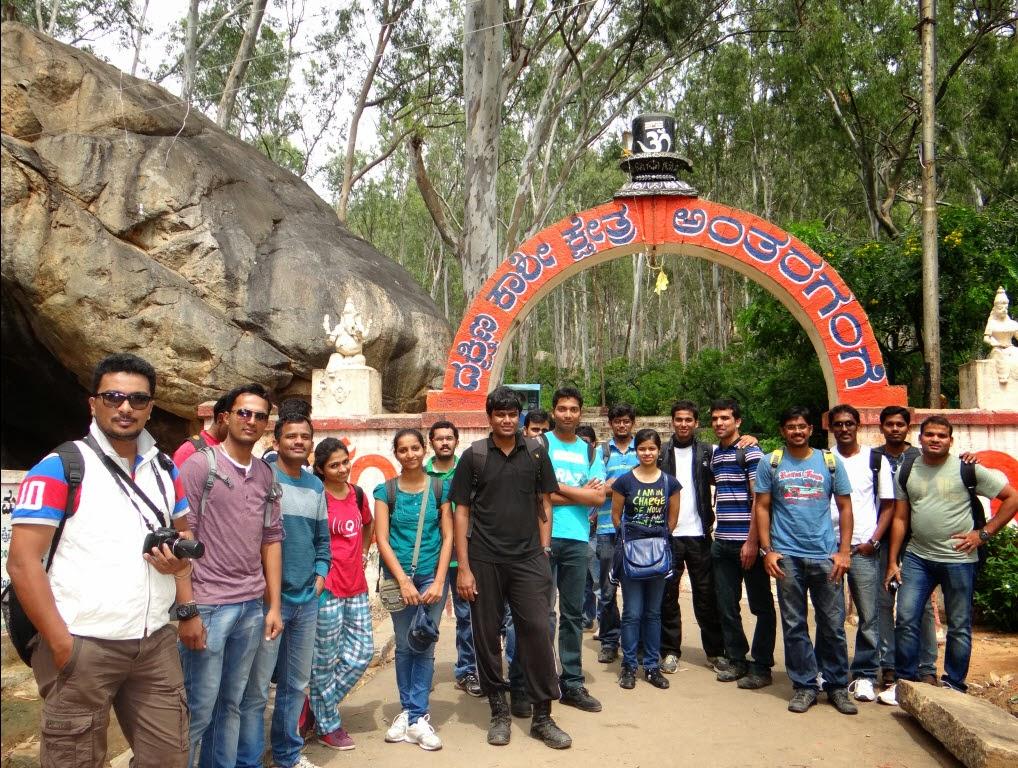
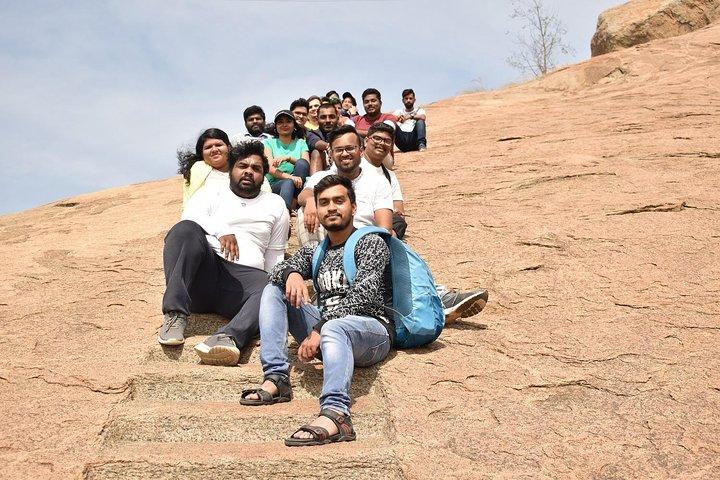
Join a guided overnight trek from Bengaluru to Shivagange. Walk the rocky steps, visit the permitted hilltop viewpoints and watch the sunrise when weather and access conditions allow. Breakfast is self-funded.
Guided treks and small-group weekend trips from Bengaluru, plus fitness experiences and escapes for people who want to explore more and connect better.
Small groups, certified trek leads and pickup points across Bengaluru. Pick a date, choose your boarding point, and you're in.
Join a guided overnight trek from Bengaluru to Shivagange. Walk the rocky steps, visit the permitted hilltop viewpoints and watch the sunrise when weather and access conditions allow. Breakfast is self-funded.
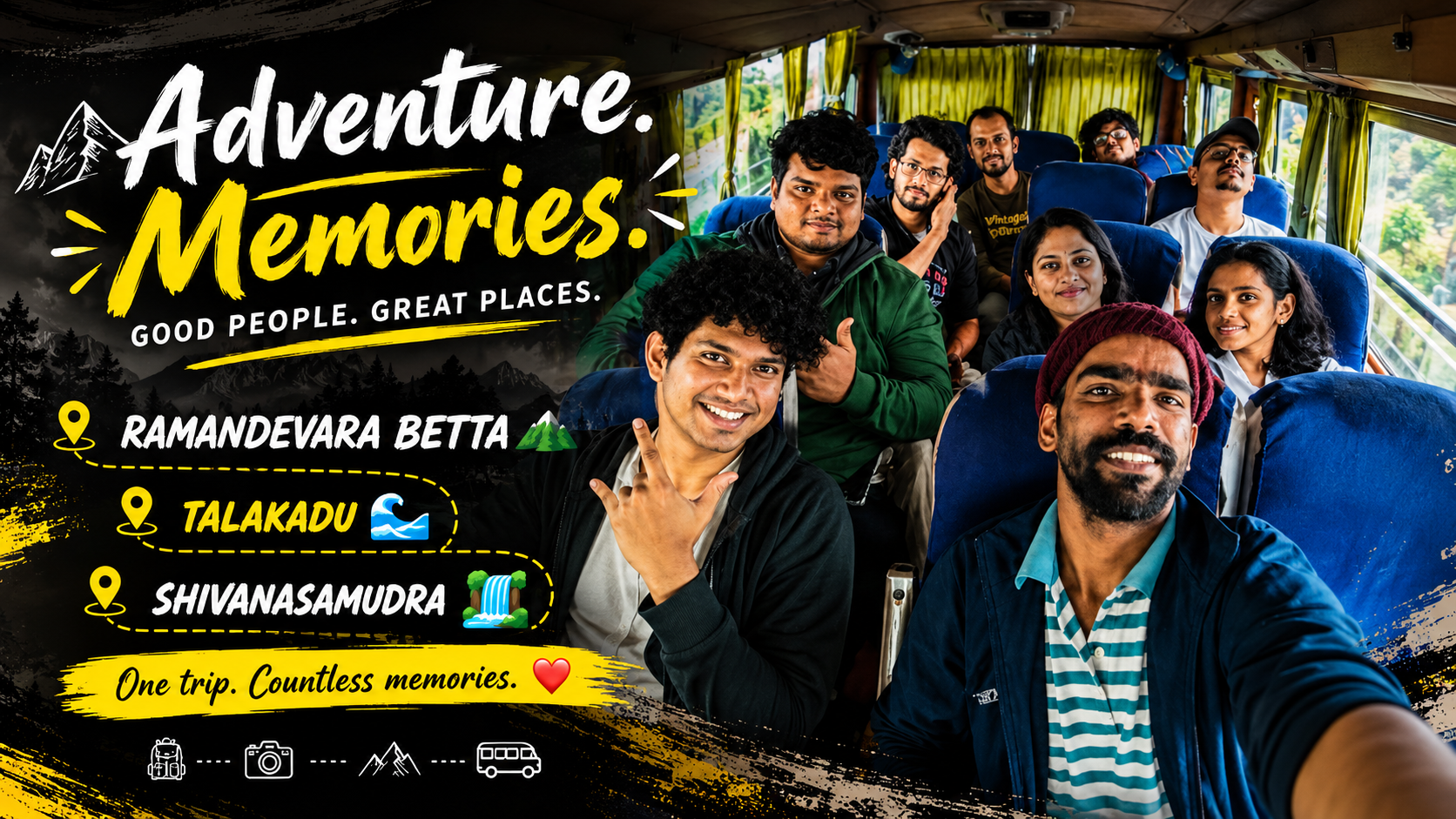
One epic day trip from Bengaluru combining a scenic hill trek at Ramdevara Betta, the spectacular Gaganachukki Falls viewpoint and the historic, sand-covered temple town of Talakadu.
Explore Gokarna’s beautiful beaches, trek along the coastline, discover Vibhooti Falls and Yana Caves, visit the historic Mirjan Fort and Murudeshwar Temple, and enjoy the tranquil mangrove boardwalk and Honnavar backwaters on a three-day coastal adventure from Bengaluru.
Explore the magnificent ruins of the Vijayanagara Empire in Hampi, climb Anjanadri Betta for panoramic views, enjoy a traditional coracle ride on the Tungabhadra River and discover the ancient cave temples and architectural wonders of Badami, Pattadakal and Aihole.
Explore the misty hills of Kodaikanal, visit Silver Cascade Falls, Moir Point, Pine Forest, Guna Caves and Pillar Rocks, discover the peaceful villages of Poondi, Mannavanur, Kookal and Poombarai, and enjoy Dolphin’s Nose, Coaker’s Walk and Kodaikanal Lake on a three-day getaway from Bengaluru.
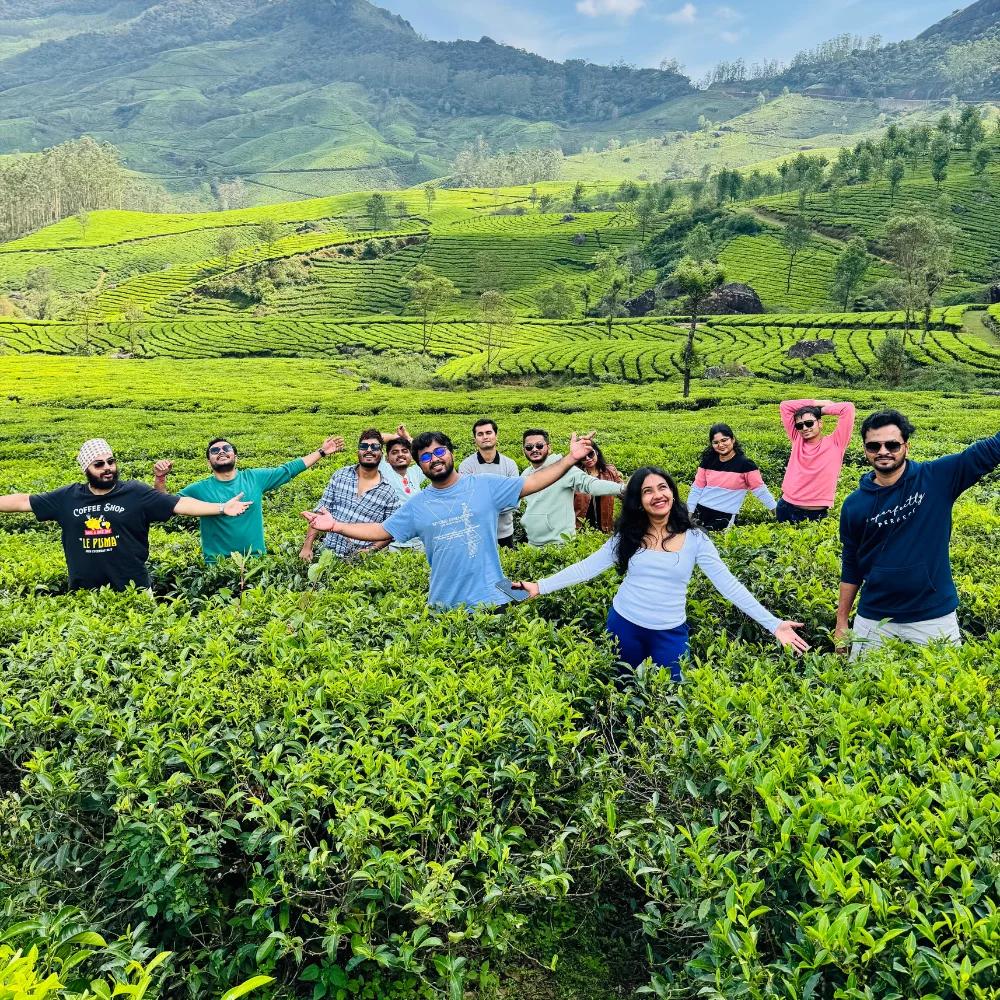
A three-day Munnar getaway from Bengaluru with a Phantom Hills sunset walk, tea country viewpoints, Kolukkumalai jeep safari and regional sightseeing. Safari slots, park entry, activity availability and optional charges must be confirmed for your departure.
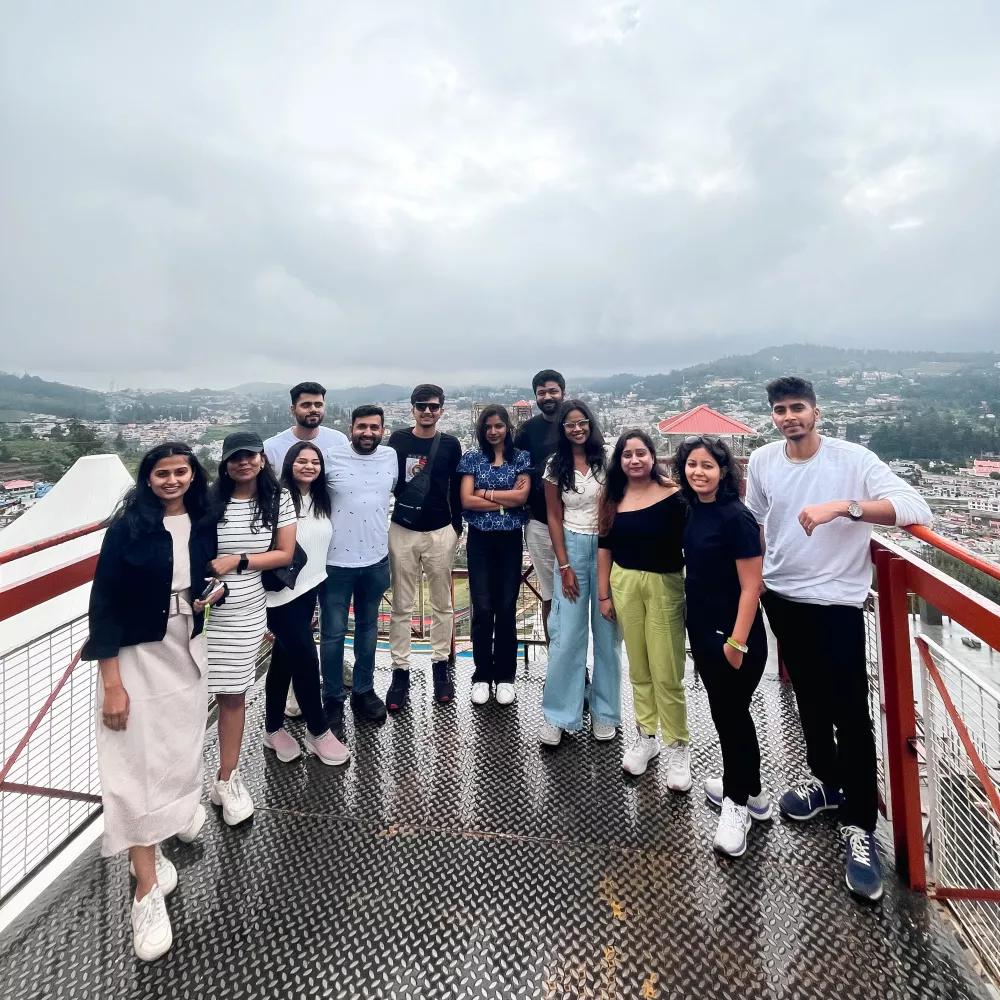
Explore Ooty’s misty hills, scenic viewpoints, tea plantations, gardens and pine forests. Discover Needle Rock Viewpoint, Ooty Lake, Singara Tea Estate, Lamb’s Rock, Dolphin’s Nose, Rose Garden, Doddabetta Peak and 6th Mile Shooting Point on a three-day adventure from Bengaluru
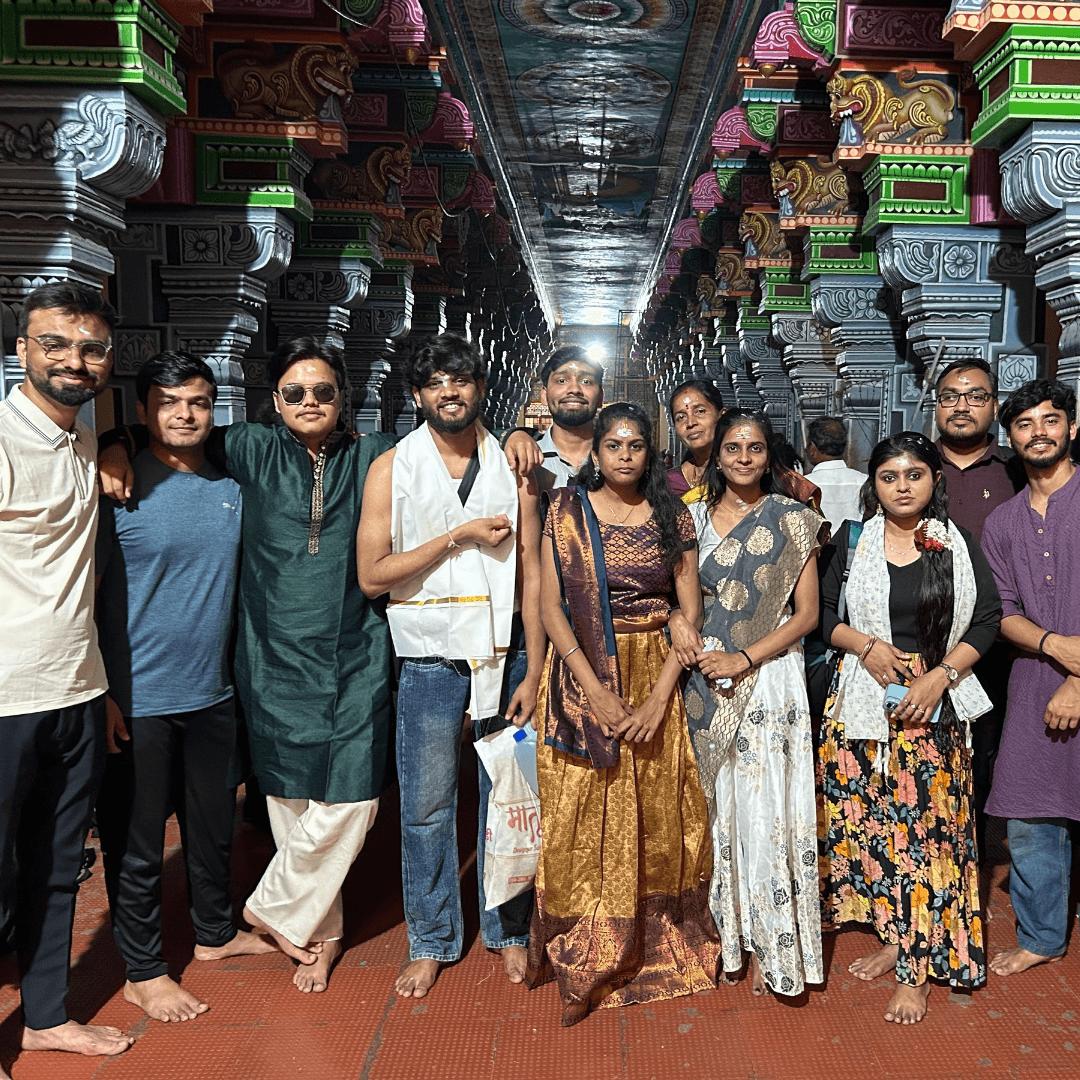
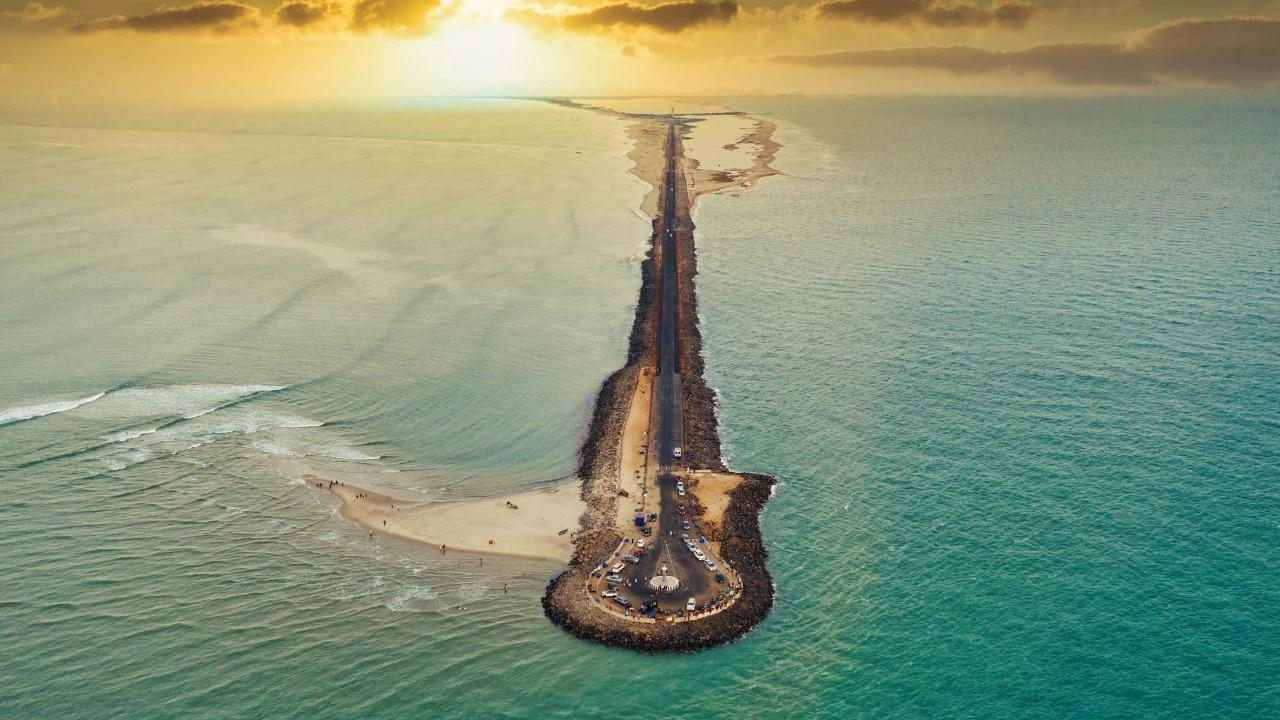
Discover the sacred temples of Rameshwaram, explore the mysterious coastal ruins of Dhanushkodi, witness the sunset and sunrise at Kanyakumari, visit Vivekananda Rock Memorial and the iconic sea-facing Glass Bridge, and conclude your journey at the magnificent Meenakshi Amman Temple in Madurai.
Explore volcanic rock caves, climb rugged hill trails and witness a beautiful sunrise over Kolar on an exciting overnight adventure from Bengaluru.
Watch the sunrise from Avani Betta on a short rocky hill trek featuring panoramic views, ancient hilltop landmarks and the historic temples of the Avani region.
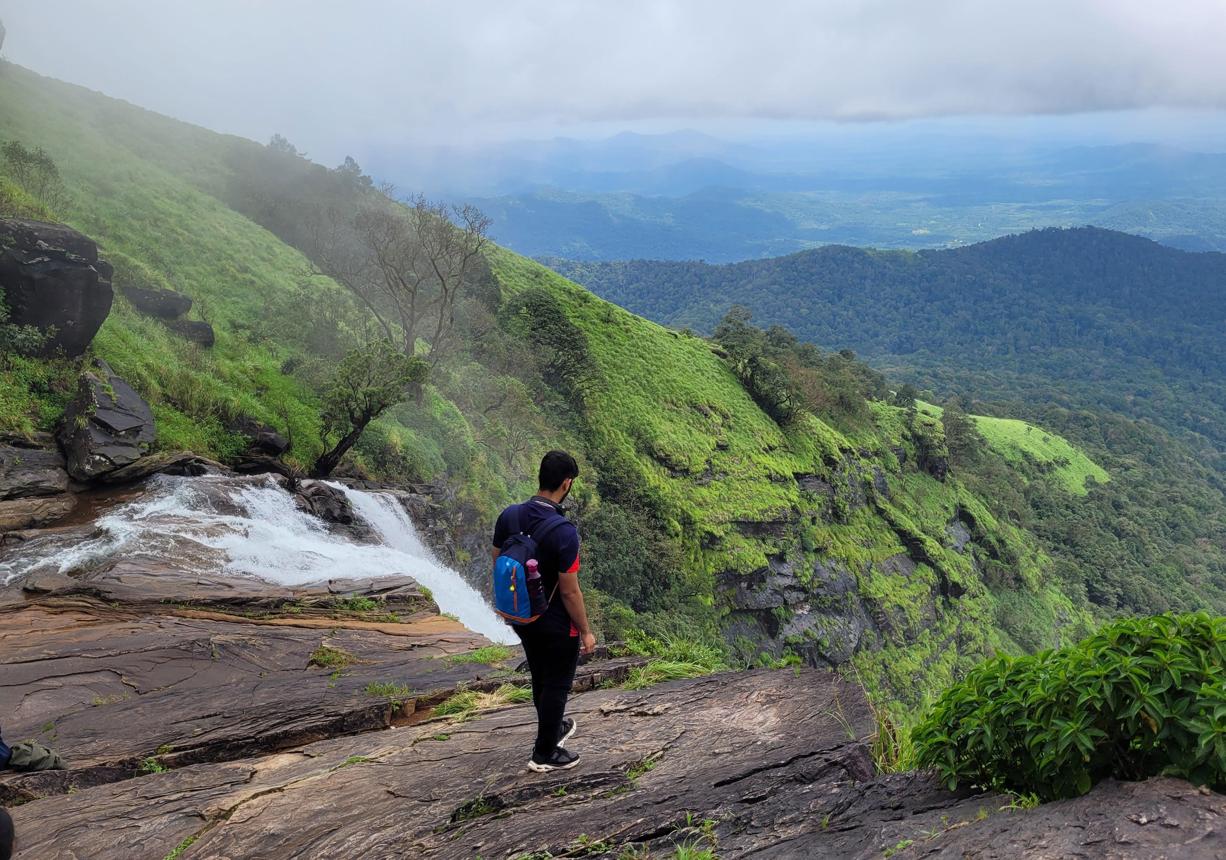
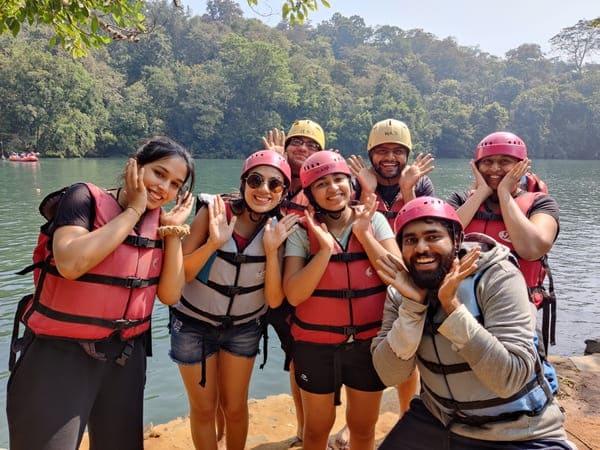
Trek through the lush Western Ghats to Bandaje Falls, with forest trails, breathtaking waterfall views, historic fort ruins and scenic stops around Horanadu and Kalasa.
Experience a beautiful sunrise trek to the historic Channarayana Durga Fort, explore ancient fort ruins and enjoy panoramic views of the surrounding hills on this offbeat adventure from Bengaluru.
Explore Coorg’s misty hills, scenic waterfalls, historic temples, breathtaking viewpoints and Tibetan monasteries on a memorable group getaway from Bengaluru.
Trek through the Western Ghats to the magnificent Dudhsagar Falls, explore Dandeli’s water activities, and enjoy the scenic Supa Dam backwaters on an adventure-filled group getaway from Bengaluru.
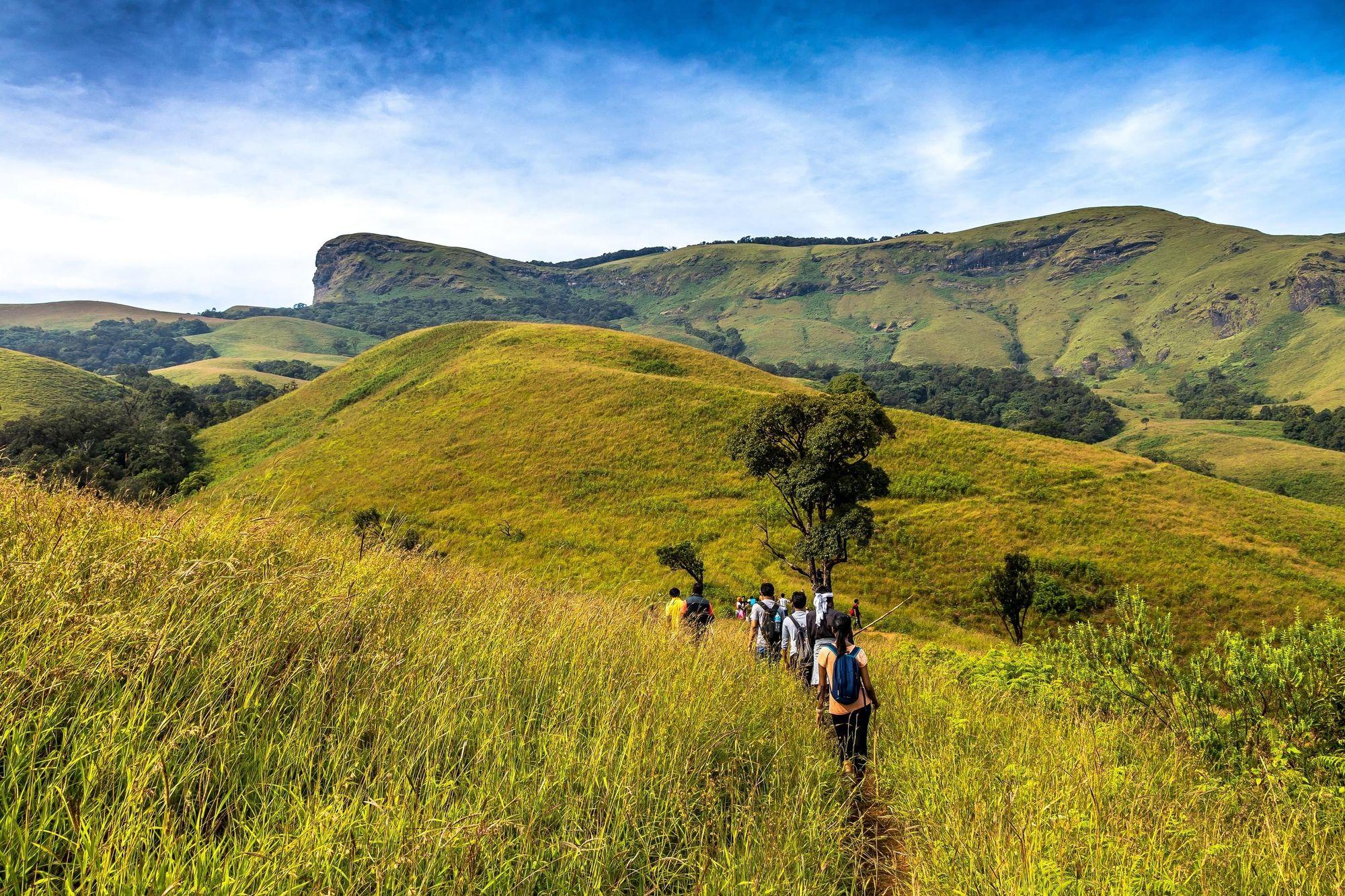
Trek through misty shola forests, rolling grasslands and scenic mountain ridges to discover Gangadikal Peak in the beautiful Western Ghats.
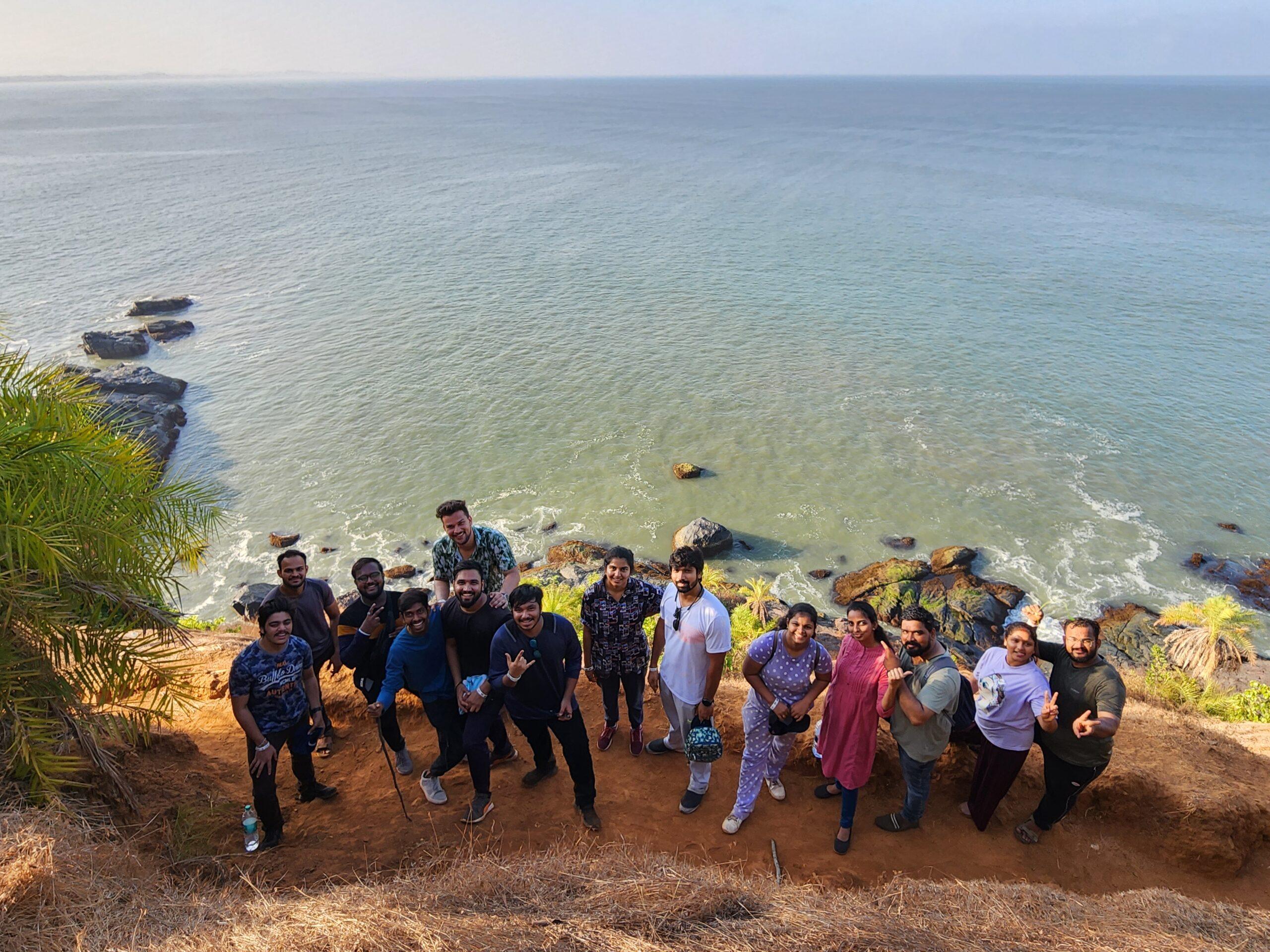
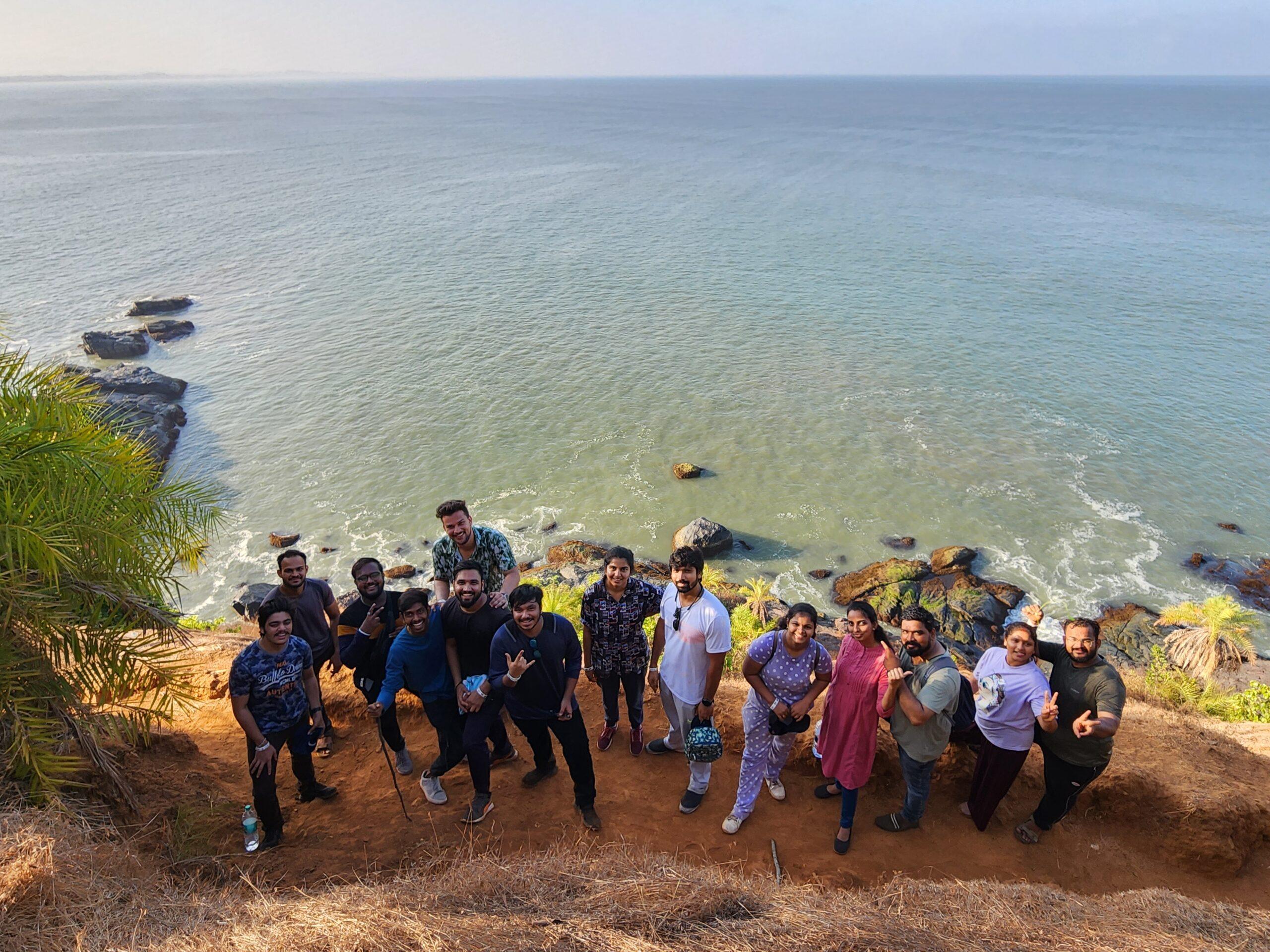
Explore Gokarna’s beautiful coastline on a scenic beach trek covering Belekan Beach, Paradise Beach, Half Moon Beach, Om Beach and Kudle Beach, followed by sightseeing at Mirjan Fort, Murudeshwar Temple and the Honnavara backwaters.
Experience a beautiful sunrise from a historic hill fort, with rocky trails, ancient stone steps, hidden passages and panoramic views of Byrasagara Lake.
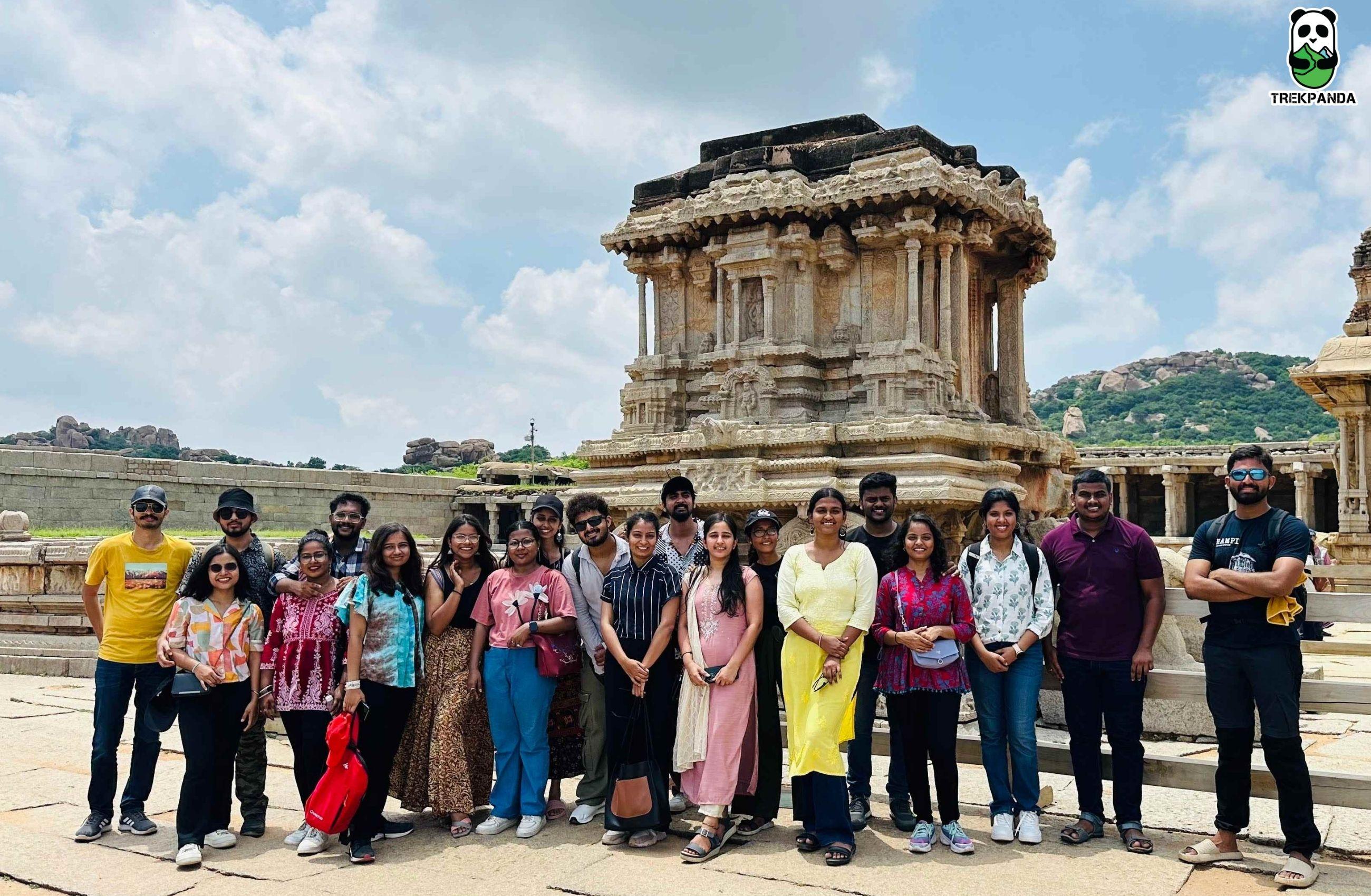
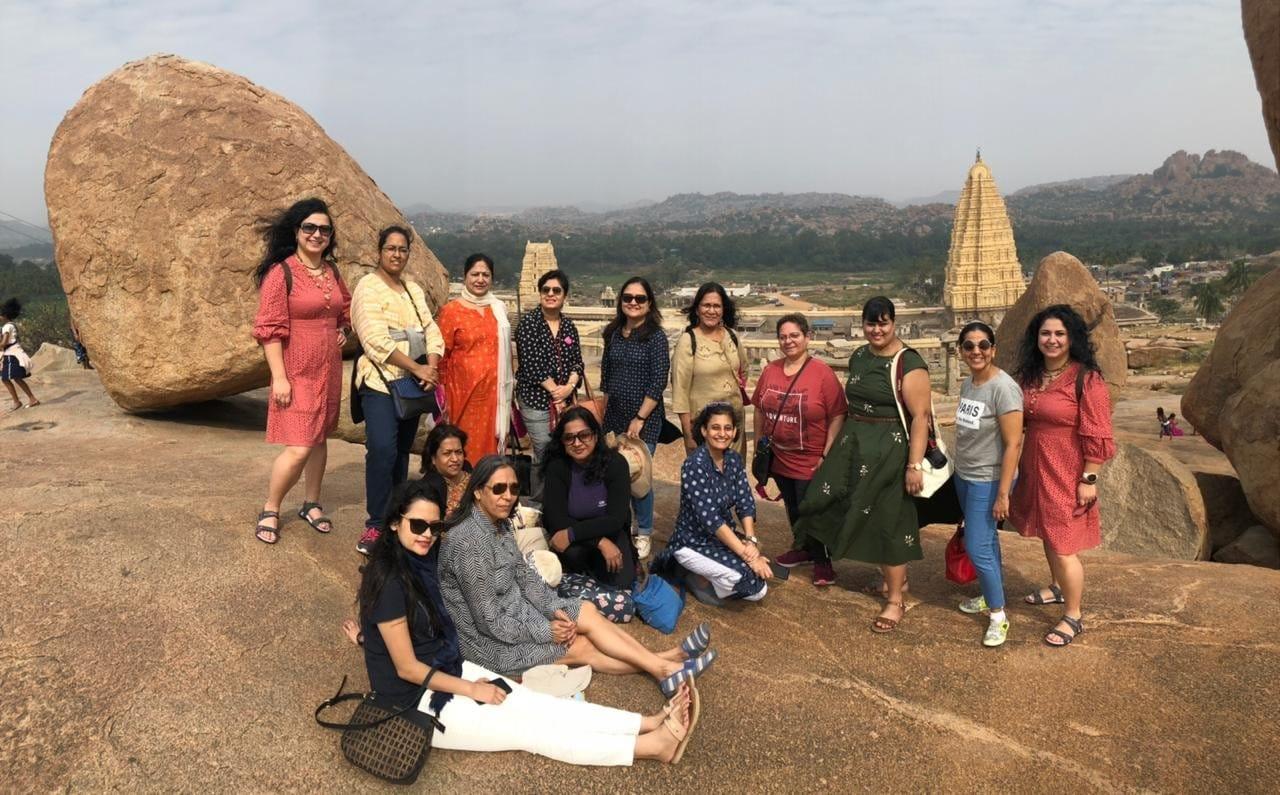
Explore the magnificent ruins of the Vijayanagara Empire, discover ancient temples and royal palaces, trek to Anjanadri Betta, witness a spectacular sunset and experience a traditional coracle ride across the Tungabhadra River on this heritage getaway from Bengaluru.
Enjoy a scenic hill trek with rocky trails, ancient temples, spiritual heritage and panoramic countryside views on an early-morning adventure near Bengaluru.
Explore Kodachadri’s mist-covered peaks, scenic jeep routes, Hidlumane Falls and ancient fort ruins on an adventurous weekend escape from Bengaluru.
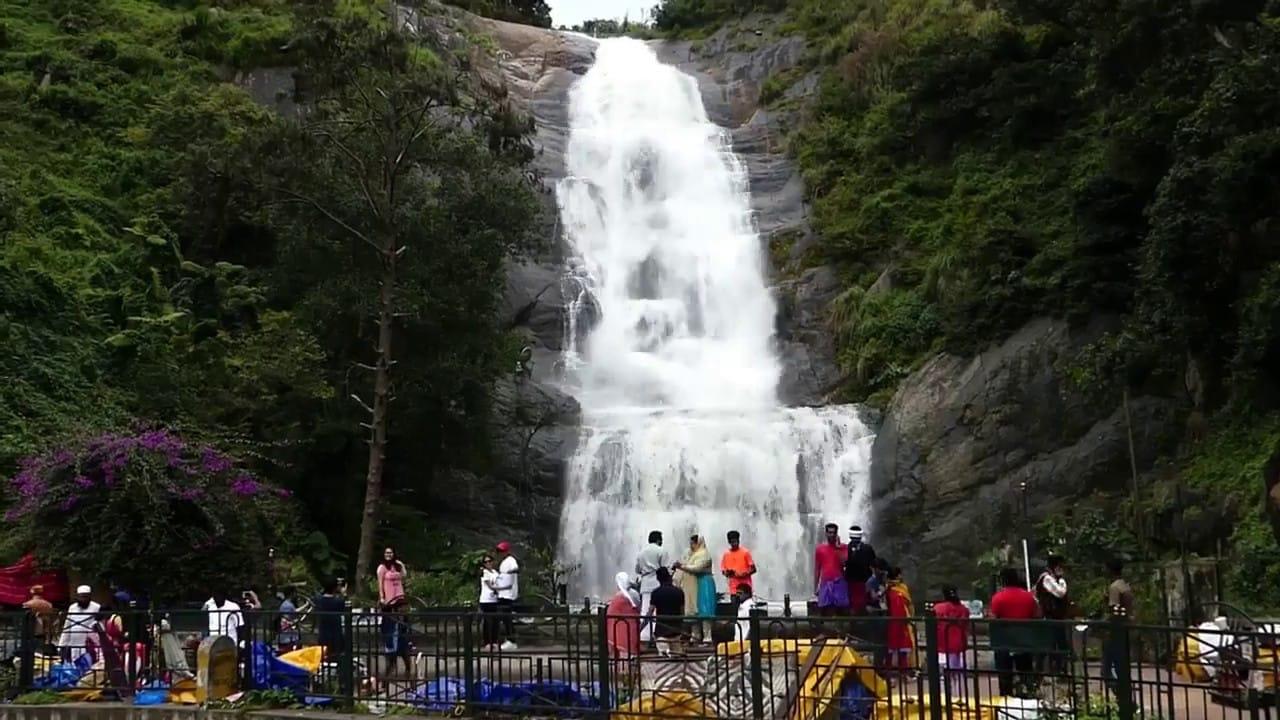
Escape to the misty hills of Kodaikanal and explore spectacular viewpoints, pine forests, Guna Caves, Dolphin’s Nose, Coaker’s Walk, Kodaikanal Lake and Silver Cascade Falls on a refreshing weekend getaway from Bengaluru.
Explore the misty hills of Munnar, trek to Phantom Hills for sunset, experience an adventurous Kolukkumalai jeep safari, visit scenic viewpoints and Mattupetty Dam, and witness Kerala’s traditional Kalaripayattu martial arts show on a thrilling weekend getaway from Bengaluru.
Trek through Kudremukh’s rolling green hills, misty forests and scenic grasslands on an unforgettable Western Ghats adventure from Bengaluru.
Take on one of Karnataka’s most demanding treks through dense forests, steep mountain trails and scenic ridgelines, with panoramic summit views and a memorable Coorg adventure.
A sunrise adventure featuring twin rocky hills, panoramic lake views, boulder trails and a thrilling night trek near Bengaluru.
Explore untouched forest trails, river crossings and rolling mountain ridges on an adventurous trek to Kurinjal Peak in the Western Ghats.
Escape Bengaluru for a refreshing sunrise trek at Nandi Hills, featuring misty landscapes, panoramic hilltop views, scenic trails and a memorable outdoor experience with fellow travellers.
A scenic 5 km sunrise trek featuring rocky hill trails, ancient fort ruins, a hilltop temple and panoramic views of Karnataka's countryside.
Trek to Netravati Peak through lush Western Ghats forests, with mountain views, Soormane Falls, Horanadu Temple and the Kalasa Hanging Bridge.
Escape to the misty Nilgiri Hills and explore Needle Rock Viewpoint, Ooty Lake, a tea factory, Botanical Garden, Rose Garden, Doddabetta Peak, Pine Tree Forest and 6th Mile Shooting Point on a refreshing weekend getaway from Bengaluru.
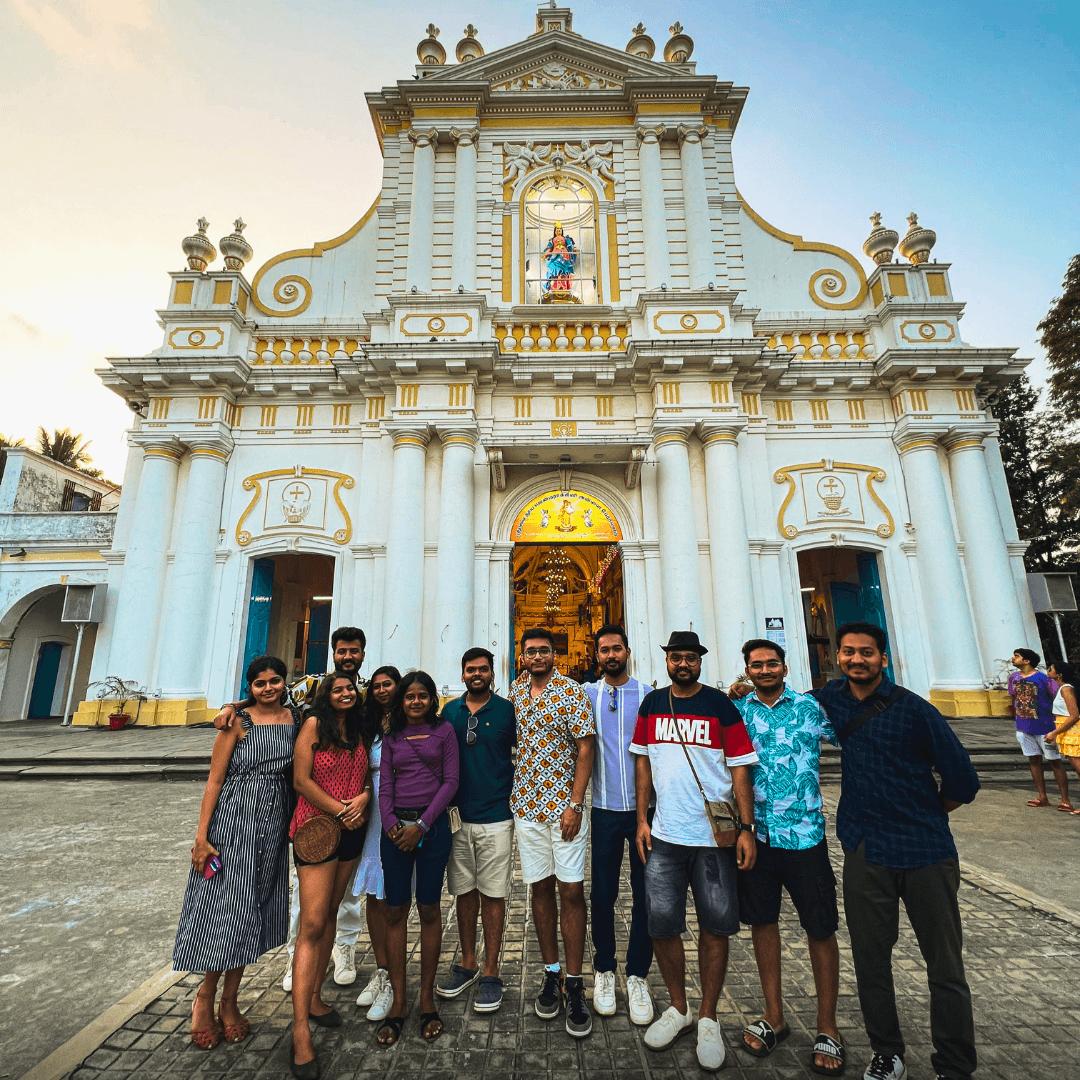
Explore French-colonial streets, vibrant cafés, beautiful beaches, peaceful backwaters and the spiritual atmosphere of Auroville on a coastal getaway from Bengaluru.
Explore the sacred Ramanathaswamy Temple, discover the legendary floating stone at Hanuman Temple, experience the beautiful coastline of Dhanushkodi, witness the iconic Pamban Bridge and visit the magnificent Meenakshi Amman Temple in Madurai on a spiritual and cultural getaway from Bengaluru.
Climb one of Karnataka's iconic granite hills and enjoy panoramic sunrise views, rocky trails and historic fort ruins on an adventurous overnight trip from Bengaluru.
Trek above the clouds at Skandagiri! Experience a thrilling night hike, panoramic sunrise views, ancient fort ruins and an unforgettable adventure with fellow travellers from Bengaluru.
Trek to Coorg’s highest peak through misty forests, coffee estates and rolling grasslands, with scenic viewpoints and a memorable Coorg adventure.
Discover Karnataka’s beautiful coastline on a weekend getaway featuring St. Mary’s Island, Malpe Beach, Bengre Beach Delta Point, Sri Krishna Temple, Padukere Beach and Kaup Lighthouse.
A scenic sunrise trek through ancient fort gateways and rocky trails, ending with beautiful hilltop views, historic temple architecture and a memorable outdoor experience with Nomadller’s Tribe.
Explore Wayanad’s stunning waterfalls, walk across the 900 Kandi Glass Bridge, experience thrilling adventure activities, enjoy the scenic Banasura Sagar Dam and discover the ancient rock carvings of Edakkal Caves on a refreshing weekend getaway from Bengaluru.
Nomadller’s Tribe brings people together through guided treks, weekend trips and outdoor experiences. Join a group from Bengaluru, explore at a comfortable pace and meet fellow travellers along the way. Each trip page shares the route, difficulty, inclusions and practical details to help you choose.
Route information, difficulty, season, access, permits and safety — the questions every trekker has before stepping on a trail.
Shivagange is a sacred granite hill where the climb passes through a living pilgrimage landscape. Temples and shrines dedicated to Shiva and Gangadhar…
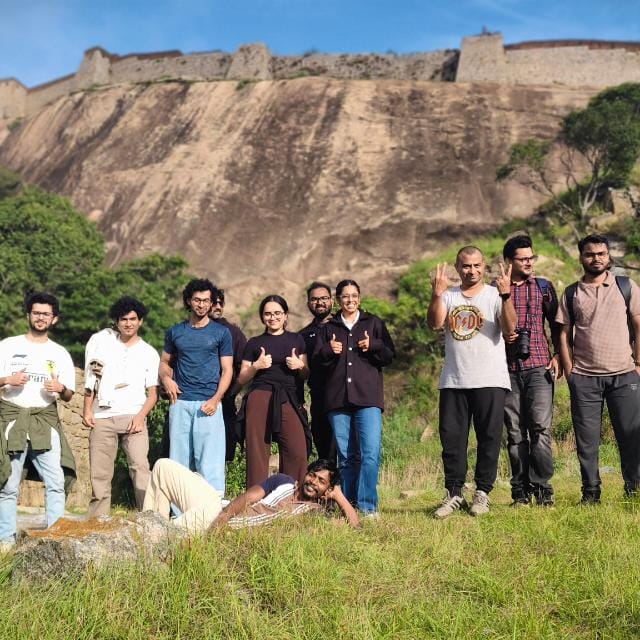
Madhugiri Fort rises over Tumakuru on a massive granite monolith. Its gateways, ramparts, bastions and water structures show how the fort used the ste…
Ramadevarabetta is a rocky hill with a temple at its summit and an important role as a vulture sanctuary. The granite cliffs form roosting habitat, so…
This heritage circuit follows the rise of early and medieval Karnataka through four major sites. Hampi preserves the remains of the Vijayanagara capit…
Kodaikanal is a highland town where forested slopes, granite viewpoints and a human-made lake sit close together. Coaker’s Walk follows the southern e…
Munnar is a highland landscape shaped by tea cultivation, shola forest, grassland and streams. Its tea slopes are working estates as well as scenery, …
Trip reports, destination guides, fitness notes and community updates.
What if getting healthier could begin with one shared adventure? My father passed away when I was very young. He did not have the everyday health habits I now wish more of us had the chance to build. I will never reduce his life or his passing to a simple lesson; grief is more complicated than that. But it left me carrying a question: what if fitness did not have to begin in a gym, or feel like punishment? I started Nomadlers Tribe to make movement joyful and social. We can travel, trek, run, try a challenge, share a meal and make friends along the way. I hope the right community makes healthy choices feel less lonely and more fun. It is not about being the fastest person on the trail. It is about showing up, encouraging one another and building a circle that helps us keep going. I do not want to turn my father’s story into a slogan or pretend a community can undo loss. What I can do is build something that makes it easier for people to care for their health and for one another. I want our plans to make movement feel inviting, not intimidating—and friendship to grow around shared effort, not pressure. That is the intention I hope people feel when they join us.
2026-10-19 · Gautam
Planning your first sunrise trek? A little preparation means less scrambling in the dark and more time to enjoy the trail. Before booking, check the meeting point, pickup and return times, route length, terrain, inclusions and cancellation terms. Ask what the organizer does if weather or access changes. Choose a route that fits your current experience, and share your plan with someone at home. The night before, charge your phone and headlamp, lay out comfortable clothes, pack water and snacks, and keep any personal medication easy to reach. Bring a light layer and rain protection suited to the forecast. Wear tried-in shoes with grip. Confirm the pickup message before bed, then give yourself time to rest. The goal is not to carry everything; it is to arrive ready for the plan you actually booked. A few details can make the morning feel completely different: know whether breakfast is included, where the return drop-off is, and who to call if you are delayed. Put your headlamp where you can reach it without emptying the bag. Once the practical pieces are settled, you can give the first light your attention instead of spending it searching for a charger.
2026-08-17 · Nomadller's Tribe
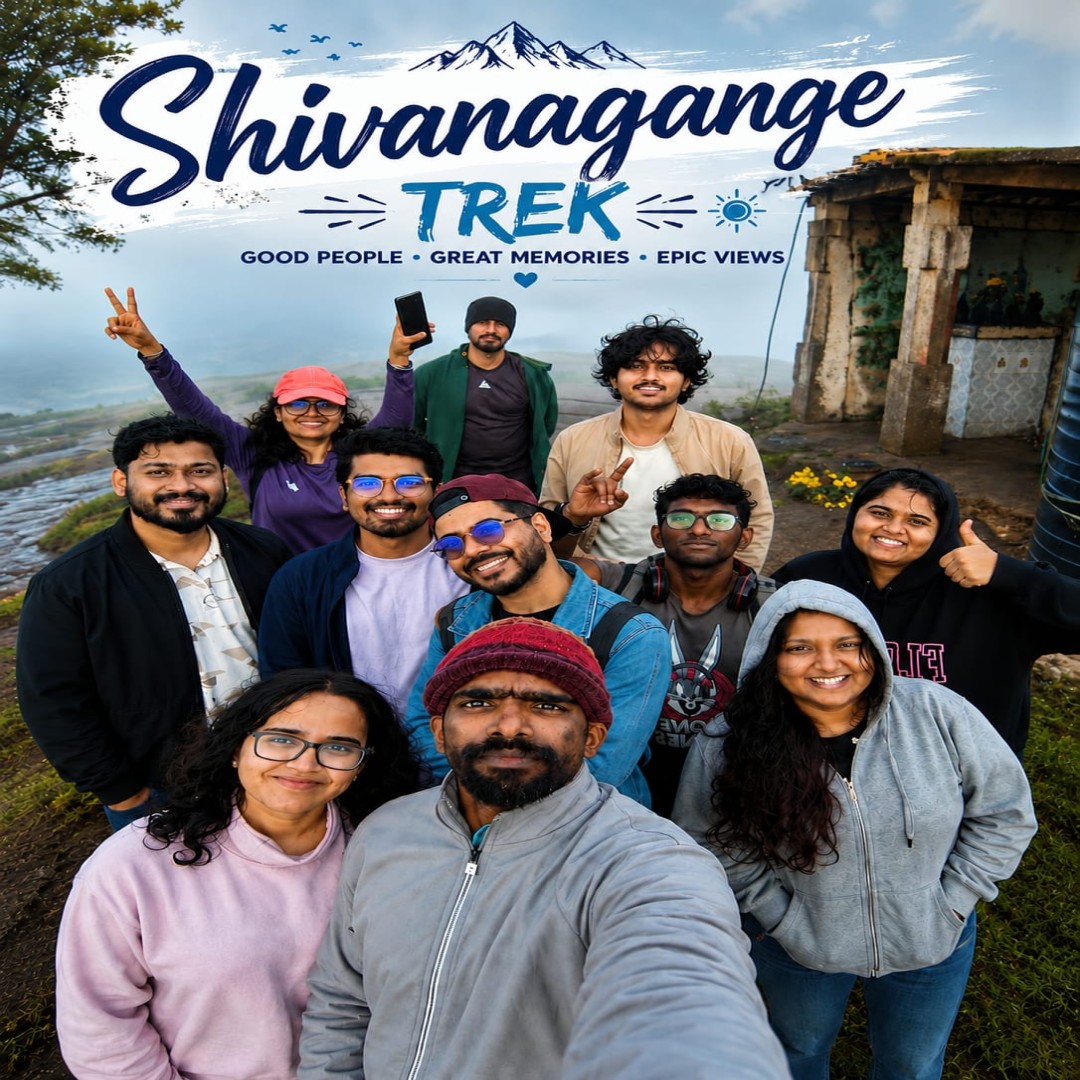
Shivagange is more than a staircase to a viewpoint. The climb passes through a sacred hill landscape with shrines, temple steps and Olakal Theertha, a spring reached through a narrow cleft in the rock. The ascent becomes steeper and more exposed near the top. Crowds, wet stone and monkeys can make the steps harder to manage, so wear shoes with grip, keep food packed away and use the railings. Take breaks before you feel exhausted; there is no prize for rushing. The shrine and spring access may change with opening hours, local instructions or crowd levels, so check at the base before starting. Treat the place first as an active pilgrimage site: give worshippers space, dress respectfully and follow any instructions from temple staff. The view is a bonus to a walk rich in faith and landscape. Shivagange is a place of worship as well as a climb, and that changes how I think we should arrive. The route is steep in places, with stone steps and exposed rock; take your time, keep both hands free where needed, and do not climb beyond your comfort. Ask locally about temple timings, spring access and closures. The best view is never worth disturbing someone’s prayer or risking a fall.
2026-08-01 · Nomadller's Tribe
What if a workout came with a sunrise and a view worth pausing for? I like the way the outdoors gives movement a story. A climb becomes a series of small decisions: take the next step, drink some water, notice the light, wait for a friend. The time passes without staring at a timer. Even a short walk can feel like an achievement when the air is cool and the landscape keeps changing. That is the kind of fitness I want Nomadlers Tribe to make easier to find: varied, welcoming and shared. Some people will want a steep trek; others will choose a gentle trail or a long walk. Both count. The point is to move in a way you can enjoy and return to. A view cannot do the work for us, but it can make the effort feel like part of a good day. A view changes the scale of effort. The climb still asks something of your legs, but the changing light, a breeze at a bend and a friend’s joke give the work a shape beyond numbers. I want our trips to leave room for people who are just beginning as well as people who love a hard route. If you finish wanting to move again next week, that is a better measure than one perfect workout.
2026-10-19 · Gautam
What changes when a weekend has a shared purpose? A walk gives people something simple to do together: follow the path, notice the view and pause when someone needs a break. That is one reason I believe outdoor plans can help us reconnect. Conversations often come more easily when nobody has to fill every silence. Someone shares a snack, another points out a turn, and soon strangers have a few small memories in common. Nobody needs to be an expert or arrive with a ready-made group. A short walk can be enough to begin. At Nomadlers Tribe, I want fitness to feel social and joyful. A community should make it easier to show up, move at your own pace and meet people who encourage healthy choices. The best weekend plan may be the one that leaves you feeling more connected than when you started. The useful thing about a shared walk is that it removes the pressure to be impressive. You can show up tired, quiet, new to exercise, or unsure of what to say. The path gives everyone a common subject and the group can take it from there. If one good conversation follows, wonderful; if the day simply leaves you lighter and more willing to meet again, that counts too.
2026-07-17 · Nomadller's Tribe
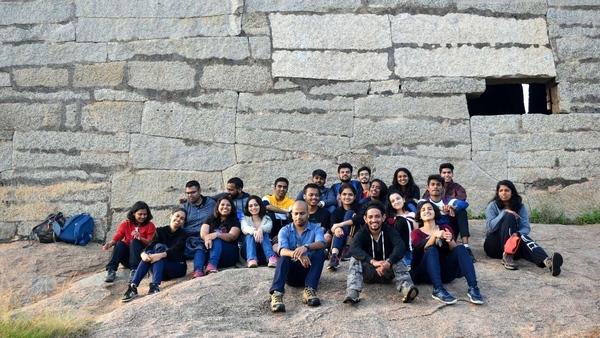
What kind of circle do we build when the plan is to move together? A good outdoor group is not made of people who are all fast or fearless. It is made of people who check in, share the path, laugh when plans shift and make room for different paces. Sometimes friendship starts with a practical question: “Do you want to walk together for this stretch?” I want Nomadlers Tribe to make active plans feel like a natural way to spend time with people. A trek, run or easy weekend walk gives us something positive to share. Nobody has to pretend to be fitter than they are, and nobody should be pressured into a challenge or habit they do not want. When the group supports one another, healthy choices can become part of the fun—not another rule to follow. The kind of circle I hope for is not built by telling people how to live. It is built by making a good alternative easy to say yes to: a walk instead of another evening indoors, a run with company, a weekend that ends with tired legs and a clear head. Nobody has to perform wellness. We can encourage one another, keep boundaries, and let each person decide what healthier means in their own life.
2026-10-19 · Gautam
What does travelling solo feel like when you plan for both freedom and safety? Your first solo trip does not need to be far away. Start with a short, familiar outing or join a reputable small-group experience where the logistics are clear. Check transport, opening times, weather and local rules. Share your route and expected return with someone you trust, and keep important contacts accessible. Solo travel also means you get to choose your pace. You can talk when you feel like it and take quiet time when you do not. Trust your instincts about people, plans and places; you are allowed to change your mind. Keep a backup way to get home, and avoid sharing sensitive personal details with strangers. The aim is not to remove every uncertainty. It is to prepare enough that you can enjoy the independence and meet the day on your own terms. Solo does not have to mean unprepared or isolated. Read recent reviews, verify the organizer and exact meeting point, keep emergency contacts accessible, and trust your judgment if something feels off. On a group trip, you can enjoy the company without handing over your choices: keep your documents and valuables secure, tell someone your plan, and stay free to say no. Confidence grows from small, well-planned outings.
2026-10-19 · Gautam
What should your first trek feel like if the goal is to come back curious? Choose a route for the day you are having, not for the photo you saw online. Ask about distance, elevation, surface, steep or exposed sections, total time and the return journey. Check weather and current access with the organizer or local authority. If you are unsure, start with a shorter, easier trail. Wear comfortable shoes you have already tested, carry water and a snack, and tell the trip lead if you need a slower pace or a break. Take time to look around rather than measuring yourself against other walkers. A first trek is not an exam. If you finish feeling proud and interested in going again, the route did its job. There is no prize for choosing the hardest trail first. A manageable route lets you learn how your shoes feel, what you like to carry and how your body responds to a climb. You can build distance and elevation over time. Ask questions before booking, and leave yourself enough energy for the descent; the walk back is part of the trek, even if the photos mostly show the top.
2026-10-19 · Gautam
What Can One Patient Companion Change on a Trek? During one of our treks, I noticed Meera, who had been laughing and chatting at the start, getting quieter on a steep stretch. She said she was fine, but I could see she needed a little time.Rohan stayed back with her while the rest of us regrouped at a safe spot. We took a break, had some water, cracked a terrible hill joke, and let her continue at her own pace.When we reached the top, I realised something: a trek isn't just about reaching the summit. It's about making sure nobody feels small for getting there a little slower. That's the kind of community I want to build at Nomadler's Tribe. Encouragement without pressure. Adventure without judgement.
2026-10-19 · Nomadlers Tribe
Can a beautiful sunrise still be worth it if we forget to plan for rest? Early starts ask a lot of the body. Make the evening calmer by packing your bag, setting out clothes, charging your phone and light, and confirming pickup details before bedtime. Keep medicines and essentials easy to reach. If you are driving, plan for a rested, alert driver; do not treat exhaustion as part of the adventure. Sleep needs differ from person to person, and one early morning will not feel the same for everyone. If you have not rested enough to travel safely, speak up and make a sensible choice. After the trek, leave time to eat, hydrate and wind down rather than filling the day with more plans. A slower morning can make the whole outing more enjoyable. A sunrise is beautiful, but exhaustion is not a badge of honour. If the schedule means an overnight drive, check who is driving and whether they have had proper rest. On the return, let the group know if you are too tired to make your own onward journey safely. A good outing accounts for the whole day, including the hours before and after the photograph at the viewpoint.
2026-10-19 · Gautam
What Can a Small Snack and a Thoughtful Check-In Do? On one of our treks, I’ve realised that sometimes a small break can change the mood of the entire group. A quick check-in, some water and a snack can go a long way when people are tired. I like carrying simple options like roasted chana or fruit, but I always believe in asking before offering and respecting everyone's preferences. For me, trekking is not just about reaching the destination; it’s also about looking out for the people walking beside us. At Nomadler’s Tribe, I want every person to feel comfortable taking a break, saying no and moving at their own pace. And of course, we carry every wrapper back with us.
2026-10-19 · Nomadlers Tribe
What should you know before you pay for a trek? Look for the details that shape your day: meeting point and time, transport, route length or duration, terrain, approximate climbing, meals, group size, leader contact and what to bring. Check which costs are included and which are extra. Read the cancellation and refund terms before paying, and ask what happens if weather or access rules change. Compare the listed difficulty with your experience and comfort. If the description is vague, ask specific questions rather than guessing. Save the booking confirmation and organizer’s contact where you can find them offline. A clear plan does not guarantee perfect weather, but it helps you know what you are agreeing to—and whether this is the right trip for you. A trustworthy plan should make it easy to compare the advertised experience with what will actually happen. Look for a clear itinerary, named inclusions, extra charges, difficulty notes, group size and contact details. If permits or local transport are uncertain, ask how that affects the day. Keep the answer in writing. A few direct questions before payment can prevent a much more stressful surprise at the trailhead.
2026-10-19 · Gautam
Can One Song Turn Strangers into a Happy Little Chorus? On our treks, I’ve seen how one song can bring people together. Someone plays a favourite, another joins in, and suddenly the bus feels less like a group of strangers and more like a bunch of friends. At Nomadler’s Tribe, that’s the kind of experience I want to create—where you meet new people, share laughs, discover new places and collect stories worth telling. Not everyone has to sing; sometimes, just being part of the journey is enough. So, the next time you’re thinking of travelling, don’t wait for your friends to be free. Come join our tribe, meet your kind of people and let’s make the journey as memorable as the destination!
2026-10-19 · Nomadlers Tribe
How do we think about water on a trail without turning it into a competition? Water needs vary with the weather, effort, route length and each person. Check whether reliable refill points exist and plan what you need for the actual trail. Do not assume a stream is safe to drink untreated. Follow local guidance and the trip lead’s instructions, especially on remote routes. Take regular breaks and drink in a way that feels right for you; avoid pressuring someone to match another person’s pace or quantity. If you feel unwell, tell the leader rather than trying to push through quietly. Keep bottles secured and bring them back out. The goal is simple: plan ahead, pay attention to your body and make water breaks a normal part of the group’s rhythm. Hydration is personal, so avoid turning bottle counts into a challenge or giving medical-sounding advice to strangers. Follow the route’s guidance, account for heat and effort, and use known safe refill points. If someone feels dizzy, nauseated or unusually weak, tell the trek leader promptly and follow their response plan. Paying attention early is sensible; trying to outlast a warning sign is not toughness.
2026-10-19 · Gautam
What Can One More Kilometre Together Do? During one of our treks, I noticed a guy named Arjun slowing down on a steep stretch. He kept saying he was fine, but I could tell he was struggling to keep pace. Before I could check in, another trekker, Kavya, slowed down and walked beside him. They started talking about random things, sharing a few laughs, and before long, the next checkpoint didn't seem so far away. Watching them reminded me that sometimes, you don't need to motivate someone with big words. You just need to walk beside them. At Nomadler's Tribe, that's the kind of community I want to build: people who look out for each other, respect different limits and make the journey as special as the destination. Come join our next trek. You might arrive as a stranger and leave with a friend.
2026-10-19 · Nomadlers Tribe
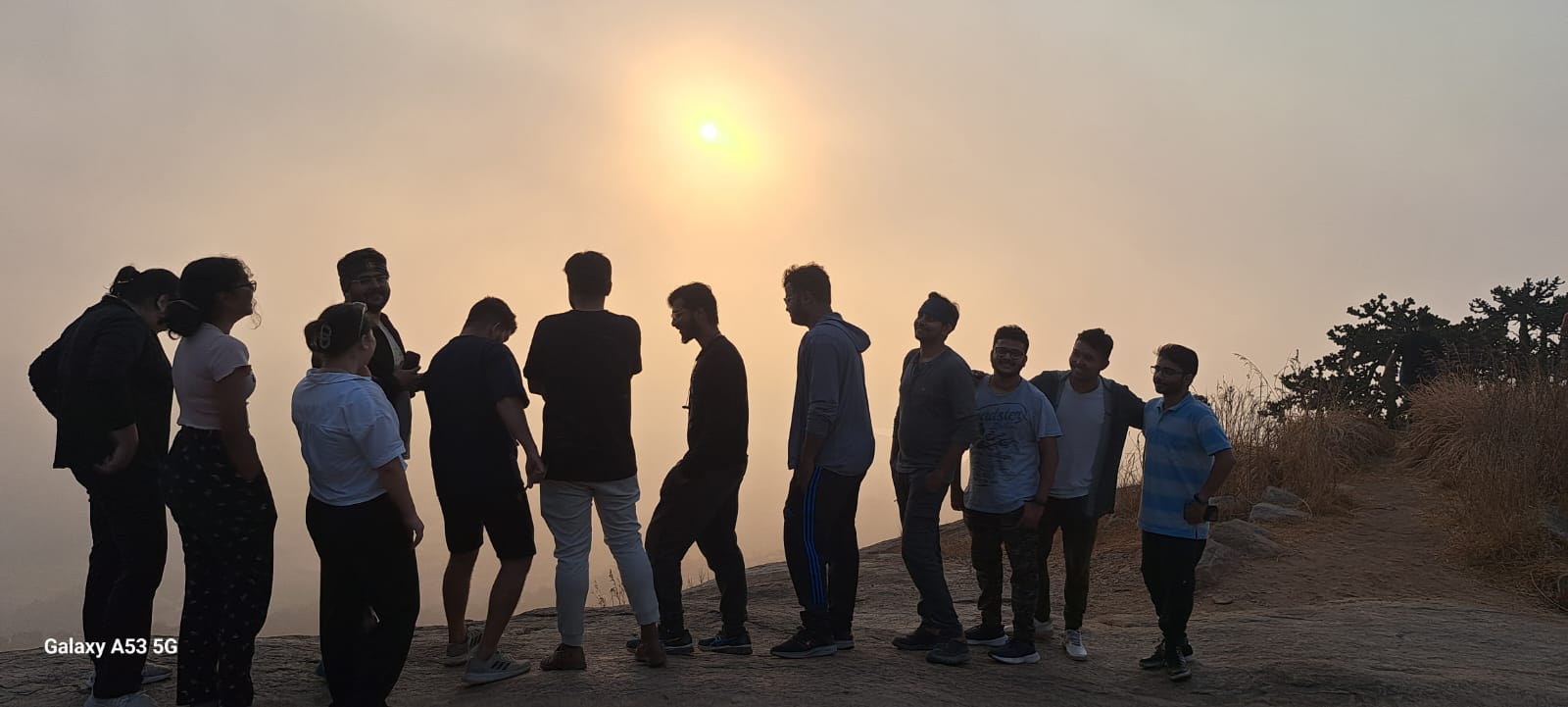
How do we leave a trail beautiful for the people who come after us? Carry wrappers, tissues, bottles and other waste until you find an appropriate bin. Do not leave food scraps behind; they can affect wildlife and the place itself. Stay on permitted paths rather than widening a route around mud or taking shortcuts through plants. Keep noise low enough to hear the landscape and respect other visitors. Do not feed wildlife, remove flowers or stones, or mark rocks and trees. Follow local rules even when they differ from what you have seen elsewhere. A group can make a real difference by planning for its waste before the trek begins. Leave the trail with no new trace of your visit, and let the next person meet the place as you did. Leave-no-trace habits start before the vehicle leaves Bengaluru: bring a small pouch for wrappers, avoid unnecessary single-use items, and know the local rules for the place you are visiting. Do not carve names, leave offerings outside designated areas or play loud music in a quiet landscape. The place is not a backdrop we own for a day. We are guests, and our responsibility continues after we leave.
2026-10-19 · Gautam
What If the Safest Summit Is the One We Choose Not to Reach? On one of our treks, we were close to the summit when the weather suddenly changed. The wind picked up, the rocks became slippery, and visibility started dropping. A few people wanted to push ahead, especially after waking up so early. But I remember a trekker named Aditya looking disappointed when we decided to turn back. Another trekker, Neha, walked beside him and reminded him that the mountain wasn't going anywhere. That stayed with me. At Nomadler’s Tribe, I want us to celebrate good decisions just as much as summit photos. Sometimes, the bravest thing is knowing when to stop, supporting your group and coming back another day. Come trek with us—not just for the views, but for the people who make the journey worthwhile.
2026-10-19 · Nomadlers Tribe
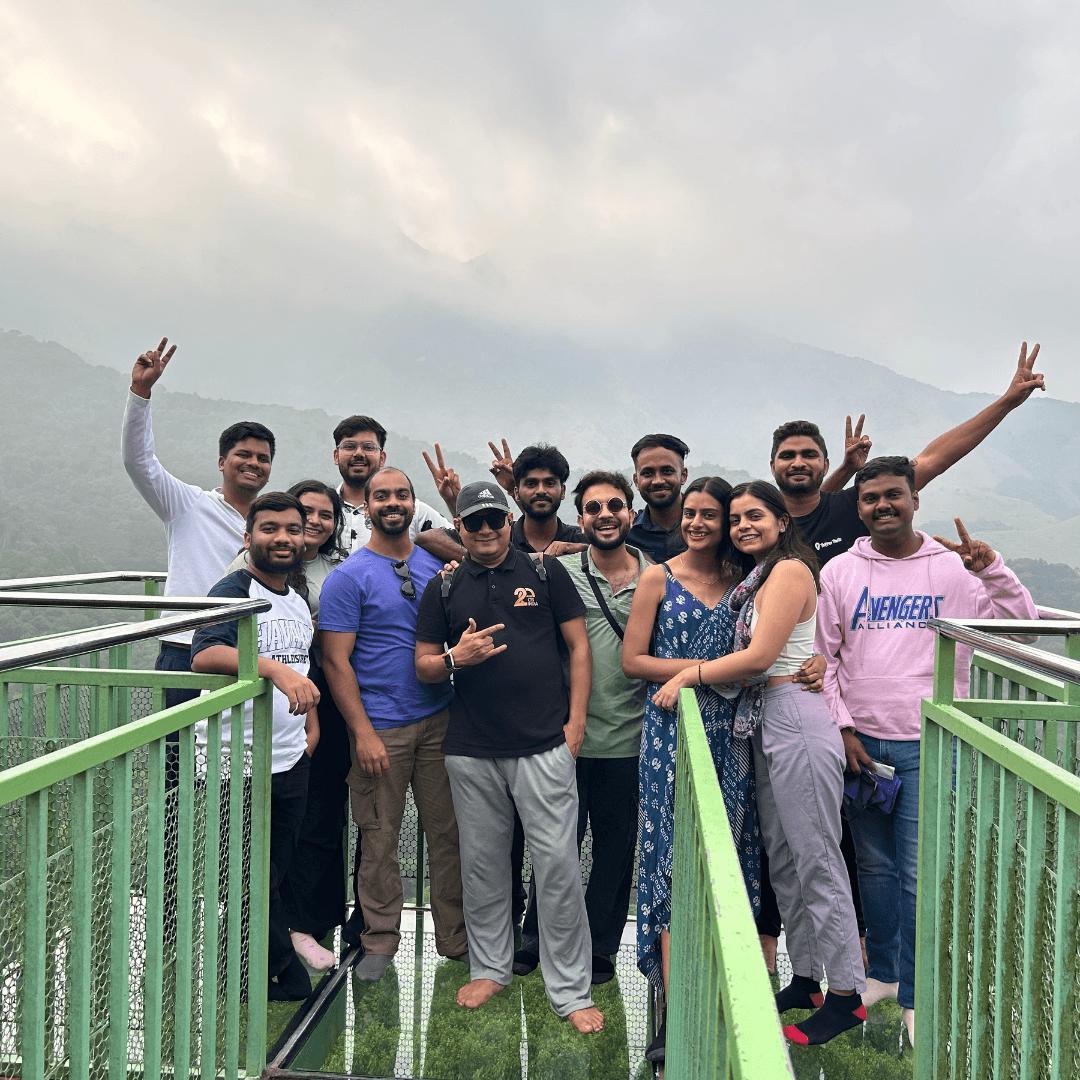
What matters more than the brand name on your trekking shoes? Fit, grip and the terrain you are walking. For a short, established path, comfortable walking shoes may be enough; longer, rougher or wetter routes may need different support. Try shoes with the socks you plan to wear, leave room for your toes and make sure your heel does not slip. Wear them on shorter walks before relying on them for a trek. Pay attention to how they feel on a descent, since downhill steps can reveal rubbing you did not notice on flat ground. Do not buy new footwear the day before a demanding outing. If you are unsure what suits the route, ask the organizer and choose comfort over appearance. Fit matters most when your foot is tired and the trail tips downhill. Check for pressure at the toes, rubbing at the heel and enough grip for the surface you expect. Socks matter too. If you are prone to blisters, test your setup on a shorter walk and carry your usual care supplies. Good shoes do not make a route effortless, but they should not become the problem you spend the day managing.
2026-10-19 · Gautam
What Does a Warm Welcome Look Like When You Arrive Alone? On one of our treks, I noticed a guy named Vikram standing quietly at the pickup point, checking his phone while everyone else seemed to know each other. Before I could introduce myself, another trekker, Ananya, walked up, said hello and helped him figure out where to keep his bag. A simple conversation later, they were chatting like old friends. Watching that reminded me how intimidating it can feel to join a group where you know nobody. At Nomadler’s Tribe, I want every newcomer to feel welcome without having to prove they belong. You don't need to bring a friend to join us. Come solo, meet new people and let the friendships happen naturally.
2026-10-19 · Nomadlers Tribe
How can a little preparation make a very early start feel gentler? Make the practical decisions while you are awake. Pack your bag, charge your phone and light, check the forecast and lay out clothes for the conditions. Fill your bottle if appropriate, keep personal medication easy to find and confirm the pickup details with the organizer. Set an alarm with enough time to get ready without rushing. Then give yourself a chance to wind down. Sleep needs vary, so avoid relying on last-minute packing or a long drive after too little rest. If you are not safe to drive, arrange another option. A calm evening cannot guarantee a perfect morning, but it can remove preventable stress and help you begin the trek more settled. Try to make the evening before a trek boring in the best possible way. Finish packing early, check the latest organizer message, set out your layers and arrange transport to the pickup. Then stop scrolling and give yourself a chance to sleep. If you have a long commute or a demanding day afterward, factor that into your decision to go. Preparation is also knowing when your body needs recovery more than an early start.
2026-10-19 · Gautam
What does a finish line feel like when the whole group makes room for one another? At a local run or walking event, people arrive with different goals. One person may jog, another may walk the full route, and someone else may be proud simply to show up. Agree on a meeting point and cheer for effort rather than comparing times. If you finish early, wait where event staff allow and encourage the people still on course. A shared finish does not mean everyone must move together every second. It means nobody is made to feel that their pace is less worthy. Choose an event that suits your current ability, follow its rules and stop if you feel unwell. The best celebration is one where everyone can feel proud of their own finish. At a finish, ask before pulling someone into a photo or posting their result. The person may have worked through nerves, a first event or simply a busy week; they deserve to define what the moment means. Celebrate the effort they want celebrated. When a group treats walking and pausing as valid, more people can enter the event without feeling they must prove they belong.
2026-10-19 · Nomadlers Tribe
Do you have to be fit already to belong on a trek? A trek can challenge you, but it should not be a public test of your worth. People arrive with different bodies, histories, strengths and reasons for coming. Choose a route that suits your current ability, ask about the terrain and total time, and tell the organizer what they need to know. If you are building up activity, start with regular walks and gradually try longer or steeper routes. Breaks are part of the plan, not something to apologize for. Nobody should pressure you to continue if you feel unwell or unsafe. Fitness can grow through enjoyable, consistent movement—and community can make showing up easier. You belong before you reach the summit. If you are worried about fitness, be specific with the organizer: how long is the route, how steep, what is the surface, and how often can the group pause? Those answers help you choose better than a vague label like “easy.” Start with outings you can recover from, and increase the challenge gradually. The goal is not to earn a place through suffering; it is to find movement you can keep coming back to.
2026-10-19 · Gautam
What If the Best Conversation Happens Over a Cup of Tea? After one of our treks, I noticed a trekker named Nikhil sitting quietly with his tea while the rest of us were sharing stories. I asked him how he found the climb, expecting a long answer. He just smiled and said, “Harder than I expected, but worth it.” A few minutes later, he was swapping travel recommendations with another trekker as if they had known each other for years. That moment reminded me that connection doesn't always need a big conversation or a perfect photograph. Sometimes, it begins when everyone finally sits down, catches their breath and has nowhere else they need to be. Come join Nomadler’s Tribe for the trails, and stay for the little moments in between.
2026-10-19 · Nomadlers Tribe
How do you choose a route that fits the people actually going? Two trails with the same distance can feel very different. One may be a gentle path; another may climb over loose rock with little shade. Ask about elevation gain, terrain, exposed sections, total time including the descent, water access and current restrictions. Check how weather affects the route. Consider the least experienced person in the group, not only the strongest. Choose a route that leaves enough energy for the return and be willing to change plans if conditions shift. A well-matched trek can still feel challenging; the difference is that the challenge is understood and planned for. Confirm the details with the organizer before you book. A route page should help you picture the day, not just sell the summit. Ask how exposed the path is, whether there is shade, what the descent is like and what happens if access is restricted. Match the answer to the people coming with you. The strongest member’s ability should not set the group’s minimum. A route is a good fit when the challenge feels understood and the return feels achievable.
2026-10-19 · Gautam
What makes a picnic feel generous when everyone eats differently? A trail lunch can be simple: a shaded place to sit, food you brought for yourself and a little time to rest. People may have allergies, dietary preferences or different energy needs, so ask what is in a dish before offering a taste. Never pressure someone to eat or explain their choices. Pack enough for your own plan, keep food stored safely and carry every wrapper back out. If the group is sharing, label ingredients when possible and make sure everyone has a comfortable option. A meal does not need to be elaborate to feel welcoming. It only needs a bit of thought and room for people to choose what works for them. A shared meal is most welcoming when there is no surprise ingredient and no obligation to taste. Keep food sealed, take care with heat-sensitive items and avoid leaving scraps that attract animals. If you are organizing, tell people whether lunch is included or self-arranged. Practical clarity lets everyone bring what suits them and enjoy the view without worrying whether they have been forgotten.
2026-10-19 · Nomadlers Tribe
What belongs in a daypack, and what only adds weight? Start with the organizer’s route-specific list and current conditions. Common needs include water, food, a charged phone, sun and rain protection, a warm layer, a small first-aid kit, personal medication and a light source. Remote or longer routes may require more, so ask rather than copying someone else’s list. Keep frequently used items reachable and protect anything that needs to stay dry. Pack only what you know how to use, and test the bag on a short walk before trek day. A comfortable pack should not pull you backward or make essentials difficult to find. The best daypack is prepared for the plan without becoming a burden. Before the trip, try the loaded bag on a short walk and adjust the straps so the weight feels stable. Put rain protection and a light where you can reach them; keep medication and emergency contacts accessible. Do not add gear just because someone else carries it—follow the specific route guidance and learn how to use anything essential. A thoughtful pack is less about having everything and more about being able to find what matters.
2026-10-19 · Gautam
What might we notice when we put the camera away for a moment? It is natural to want a photograph from a beautiful viewpoint. Take one from a safe, permitted spot, then give yourself a little time without the screen. Notice the light changing, the wind, the sounds and the people who made the walk feel shared. Do not step beyond barriers or block a narrow path for a better angle. Ask before photographing other people, and respect local rules around temples, wildlife and private spaces. A picture can help you remember a place; attention helps you experience it while you are there. You do not need to choose between the two—just leave room for both. A viewpoint can tempt people toward a risky edge because the angle looks better through a screen. Set a simple rule for yourself: stay behind barriers, keep your footing secure and never ask another person to step somewhere unsafe for a photograph. Be considerate of the people waiting and of those who do not want to be photographed. Take the picture, then look up; the landscape is giving you more than a frame.
2026-10-19 · Nomadlers Tribe
What should we do when the weather changes the plan? A forecast is useful, but conditions on a ridge, in a forest or near a waterfall can differ from town. Check local updates before leaving, then ask the trip lead what would trigger a shorter route or turnaround. Carry layers and rain protection suited to the plan. Wet rock, strong wind, lightning, rising water and poor visibility can make a trail unsafe. Do not split from the group or continue beyond a closure because the summit is close. A changed plan can still make a good day: choose a safer route, visit another time or head back together. The right decision is the one that brings everyone home safely. A responsible organizer should have a clear weather threshold and a way to contact the group if plans change. Ask about it before departure, especially for ridges, waterfalls and remote routes. If a warning comes, do not bargain with the sky or follow an unapproved shortcut. A shorter walk, a warm meal or a rescheduled date may feel like a smaller adventure, but getting everyone home is the work that matters.
2026-10-19 · Gautam
Can one small Saturday walk grow into a circle that lasts? A short walk is an easy invitation because it does not require a major trip or special gear. Pick a manageable route, share the meeting details clearly and make it comfortable for people to join without knowing anyone. Conversations may start with the path, the weather or where to get breakfast afterward. There is no need to make every walk a big event. Let people come when they can, keep the pace inclusive and give friendships time to develop. A circle grows through repeated small moments: remembering a name, checking in and planning the next outing. The walk can be the beginning, not a promise that everyone has to become close. The friendships that grow from a walk should be allowed to grow at their own pace too. Exchange numbers only if both people want to, and do not treat one outing as a promise of instant closeness. Keep showing up, invite people without pressure and make the next plan easy to decline. Community is not measured by how quickly strangers become best friends; it is built by making room for people to return as themselves.
2026-10-19 · Nomadlers Tribe
How does a group stay together when everyone walks at a different pace? Before setting out, agree on the route, regroup points and what to do if someone needs to stop. Keep the group together on unfamiliar or exposed sections; never leave a slower walker alone to catch up. Check in without making anyone explain more than they want to. If a person is injured or unwell, tell the trek lead and follow their plan. On a safe, broad path, the group can use agreed regroup points, but everyone should know the plan first. A shared pace is not a demand that every person walk identically. It is a commitment to make decisions together and keep each other in view. A shared pace needs an actual plan: who leads, who sweeps, where the regroup points are, and how the group handles a separation or injury. Explain it before the trail becomes difficult. Keep an eye on one another without policing every step. If the group is too spread out, pause in a safe place and regroup. Moving together is a safety practice and a way of saying that nobody is disposable.
2026-10-19 · Gautam
Can a rainy day still become part of the adventure? Rain may bring a welcome change of pace, but it can also make rocks slippery, streams rise and visibility drop. Check local notices and ask the trip lead whether the route remains safe. If it does not, postpone or choose an appropriate alternative; do not push ahead just because everyone travelled to the trailhead. Disappointment is understandable. Give the group a moment to reset, then decide together what is practical—perhaps breakfast, a nearby indoor stop or a new date. Never treat a cancellation as a failure of courage. A responsible change of plan protects the people and the place, and there will be another day to walk. Rain can change the mood as well as the trail. Let people be disappointed without making them feel foolish for caring about the plan; then share the practical next step. Check local updates, protect phones and dry layers, and follow the trip lead about closures. If you continue somewhere else, make sure it is genuinely suitable for the conditions. Flexibility is useful, but it should never become an excuse to ignore risk.
2026-10-19 · Nomadlers Tribe
What does eating well on an active day look like for a real person? There is no single trek snack that works for everyone. Think about the length and effort of the day, what you normally tolerate, dietary needs, heat and whether food can be stored safely. Bring enough for your own plan and a little contingency if appropriate. Keep packaging contained and follow local rules about food around wildlife. After a long outing, choose a meal and fluids that suit you and give yourself time to recover. You do not need to copy another person’s diet or turn food into a reward system. If you have specific medical or nutrition needs, follow professional guidance. The practical aim is to plan ahead so hunger, heat or an unsuitable snack does not catch you by surprise. A useful food plan is personal, simple and realistic. Carry familiar options you know you can eat, keep them clean and secure, and account for the length of the day. Do not assume a stop will have a shop or that a group meal will suit every diet. Afterward, eat and drink according to your needs and routine. The point is to support the outing, not to turn a trek into a nutrition contest.
2026-10-19 · Gautam
What changes when a first-time trekker feels safe enough to ask a question? People may arrive with questions they worry are too small: where the toilets are, how steep the route is, what happens if they need a break. A good organizer answers clearly and without making anyone feel awkward. If the answer is not known, say so and find out rather than guessing. Trek companions can help too. Listen without teasing, respect privacy and avoid turning someone’s concern into group entertainment. Clear information helps people decide what feels right for them. A welcoming community is not one where nobody has questions; it is one where asking them is normal. A good answer does not need to sound polished; it needs to be clear and honest. If the organizer does not yet know whether a washroom is open or an extra fee applies, they should say so and confirm it. That kind of answer builds more trust than confident guessing. Travellers deserve enough information to make their own decision, including the freedom to decide a trip is not right for them.
2026-10-19 · Nomadlers Tribe
Can a run, a walk and a pause all count as showing up? A running event, fitness challenge or long walk can be a joyful reason to train with friends. Start with the event’s actual requirements, choose a suitable level and build up gradually rather than copying someone else’s plan. Learn the rules, wear tested gear and stop if you feel unwell. If you have a health concern or are returning after a long break, ask a qualified professional what is appropriate for you. On the day, walking part of the route or taking a pause does not erase your effort. Fitness grows over time, and a routine that leaves room for recovery is easier to sustain. Your pace belongs to you. A sustainable routine leaves space for different days. Some weeks you may run; another week you may walk with a friend or rest. Set a goal that can survive ordinary life, build gradually and treat pain or feeling unwell as a reason to stop and assess. If you are preparing for a demanding event or managing a health condition, seek qualified guidance. Consistency is not the same as pushing through every warning.
2026-10-19 · Gautam
What stays with us when the last person crosses the finish line? At a group event, it is easy to focus on the fastest finishers. But the final stretch can mean just as much to the person who trained around work, nerves or a long break from exercise. If event rules allow, gather at the agreed point and cheer for everyone who arrives. Do not block the course or pressure someone to sprint for a photo. A smile, applause and a simple “you did it” can be enough. Each person has a different reason to show up, and every finish belongs to the person who earned it. Community makes space for that range of effort. Cheering should make the person on the course feel seen, not watched. Use their name only if they are comfortable with that, keep the route clear and avoid comparing their time with anyone else’s. Afterward, ask how they feel before offering advice. The last bend can hold nerves and pride at once. A small cheer says, “Your effort matters here,” and that is a good thing for a community to practice.
2026-10-19 · Nomadlers Tribe
How do we make a challenge exciting without improvising with safety? High-rock activities and obstacle events differ in equipment, supervision and physical demands. Before booking, check the operator’s credentials, age and health requirements, safety gear, weather policy, emergency plan and what the price includes. Tell staff about relevant limitations or concerns, and listen closely to the safety briefing. Use only designated routes and equipment. Do not bypass a harness, copy an untrained participant or pressure a friend to take part. If something is unclear, stop and ask. A good challenge is one where participants understand the risks and can choose a suitable level. Excitement should come from taking part with preparation—not from improvising with safety. Ask what happens if equipment fails, a participant wants to stop or weather makes the activity unsuitable. A responsible operator can explain supervision, inspection and emergency response without making you feel difficult for asking. Follow the briefing exactly, use only approved gear and do not self-rescue or assist beyond your training. The right challenge should leave room for informed consent. No photograph or group dare is worth bypassing a safety rule.
2026-10-19 · Gautam
Can Choosing the Easier Option Still Feel Like a Win? During one of our adventure outings, I noticed a trekker named Arjun hesitating before a challenging obstacle. His friends were ready to go, but he wasn't comfortable with the height. Before anyone could tease him, another trekker, Rahul, told him, “Bro, you're here to enjoy the day, not prove anything to us.” Arjun chose an easier option and ended up having a great time cheering the others on. That moment stuck with me. At Nomadler’s Tribe, I want people to know they never have to take a risk just to fit in. Challenge yourself, absolutely—but know your limits, respect your comfort and let others do the same. Come join us for an adventure where you can be yourself, without having to prove anything.
2026-10-19 · Nomadlers Tribe
Why should rest have a place in an active life? A trek or event is one part of a bigger routine. Give yourself room to recover afterward, especially if the outing was longer or more demanding than usual. Eat and drink in a way that suits you, change out of wet clothes and leave space for a quieter evening. People recover differently, so avoid comparing your energy with someone else’s. Gentle movement may feel good for some; others may need more rest. If fatigue or pain feels unusual or does not settle, get appropriate professional advice rather than trying to push through. Rest is not lost progress. It helps make an active life more sustainable. Rest can also mean choosing a less demanding trip this weekend, not only taking a break afterward. Notice whether you are carrying fatigue from work, poor sleep or another activity, and plan accordingly. Gentle recovery looks different for everyone. Avoid diagnosing pain from a friend’s description; encourage them to get appropriate help if something feels unusual. The aim is an active life that can last, not a streak that breaks you down.
2026-10-19 · Gautam
What Can a Packed Lunch Tell You About Someone? On one of our treks, I noticed a girl named Divya unpacking lemon rice while another trekker, Sameer, quietly ate his usual biscuits. Divya offered him some, but when he politely declined because of his dietary preferences, she simply smiled and asked about his favourite trekking snack instead. Soon, everyone was talking about the food they grew up eating, and the break turned into an unexpected exchange of stories. I liked that nobody had to eat the same thing to feel included. At Nomadler’s Tribe, that’s the kind of community I want us to build: where sharing is welcome, saying no is easy, and good company matters more than what’s in your lunchbox. Come join us on the next trek and bring your own little story along.
2026-10-19 · Nomadlers Tribe
How can we be the kind of trek companion people feel comfortable returning with? Introduce yourself, learn names and ask before photographing or posting someone. Do not touch another person’s gear or body without permission. Offer help simply—“Would you like a hand?”—and accept their answer. Avoid jokes about someone’s pace, body, food, experience or fears. On the trail, follow the group plan, keep the trek lead informed and make space for breaks. If you are concerned about someone, check in privately and kindly rather than drawing a crowd. Respectful companionship is practical as well as friendly: it helps people feel safe enough to speak up and enjoy the outing. Everyone deserves to feel welcome outdoors. Thoughtfulness includes the moments when nobody is watching: waiting for the group, following the route rules and not forwarding someone’s photo without permission. If you notice a problem, tell the leader rather than trying to manage a risky situation alone. Offer help, then listen to the answer. The best companion is not the loudest or most experienced; it is someone others can trust to respect their choices and keep the group’s wellbeing in mind.
2026-10-19 · Gautam
What would I want a first-time Nomadler to know before joining us? I started Nomadlers Tribe because I wanted fitness to feel more human and more fun. For me, that can mean a trail, a shared ride, a new friend, a run we cheer each other through or a community that makes healthy choices feel less lonely. You do not need to be an expert or arrive with a group of friends. Tell us if you are new, ask the questions you need answered and choose the activity that fits your day. You can walk, pause and take in the view. We will keep learning how to make these experiences welcoming, honest and well organized. Come as you are; the next step can be a small one. I want Nomadlers to feel ambitious about belonging, not about looking impressive. We can build a community where a beginner is taken seriously, where a hard climb is chosen with care, and where movement is one way we meet each other. If you come alone, we will do our best to make the first step less awkward. If you need a slower pace, say so. There is room to begin exactly where you are.
2026-10-19 · Gautam
Curated outdoor days, team trips, employee wellness experiences and international offsites.
Ask us about current trips, group discounts or a customised experience.
Register with your mobile number — it's how we reach you about your trips.
By continuing you agree to be contacted about your bookings.
Reference — keep this, it is how we match your payment to your seat.